The increasing popularity of aurora photography in recent years has produced some stunning imagery from unlikely latitudes. However all is not as it seems. There are implications for the wider integrity of photography.
We’ve all seen those images over the past few years (popping up in our Facebook feeds or in the media) depicting spectacular displays of the Aurora Borealis or Northern Lights from Great Britain, Ireland or the lower 48 in the US. Regardless of the location, they’re pretty amazing images. But beneath the wow-factor and thousands of ‘likes’ and ‘shares’ lurks a nasty little integrity issue. These aurora images may be photographic eye-candy, but many of them are pure high fructose corn syrup.
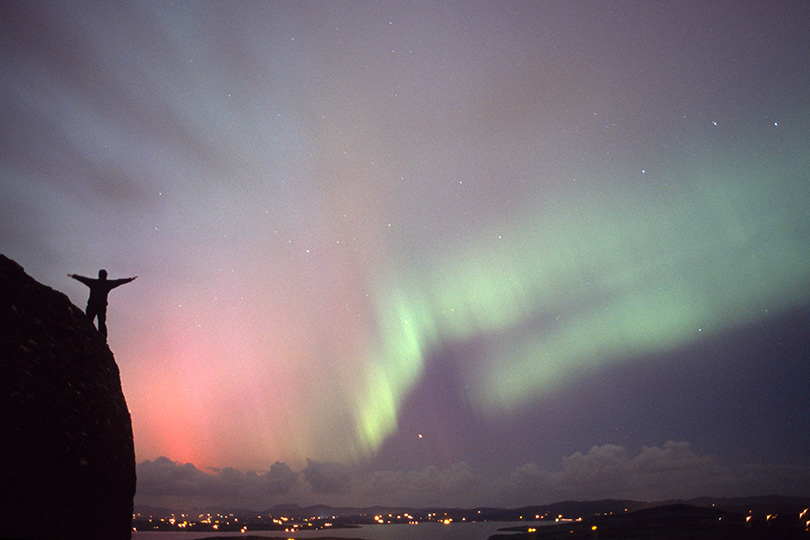
Northern Lights as seen from north coast of Ireland in 2004. Fuji Provia 400F with exposure of approx 40 seconds.
The extraordinary progress in digital photography has galvanised a revolution in night-time photography. Only ten or 15 years ago, really good photos of the Aurora Borealis or Milky Way were pretty scarce. A majority of photographers wer Continue reading →
Did you see the Lunar eclipse last night? Did you photograph it? I didn’t…
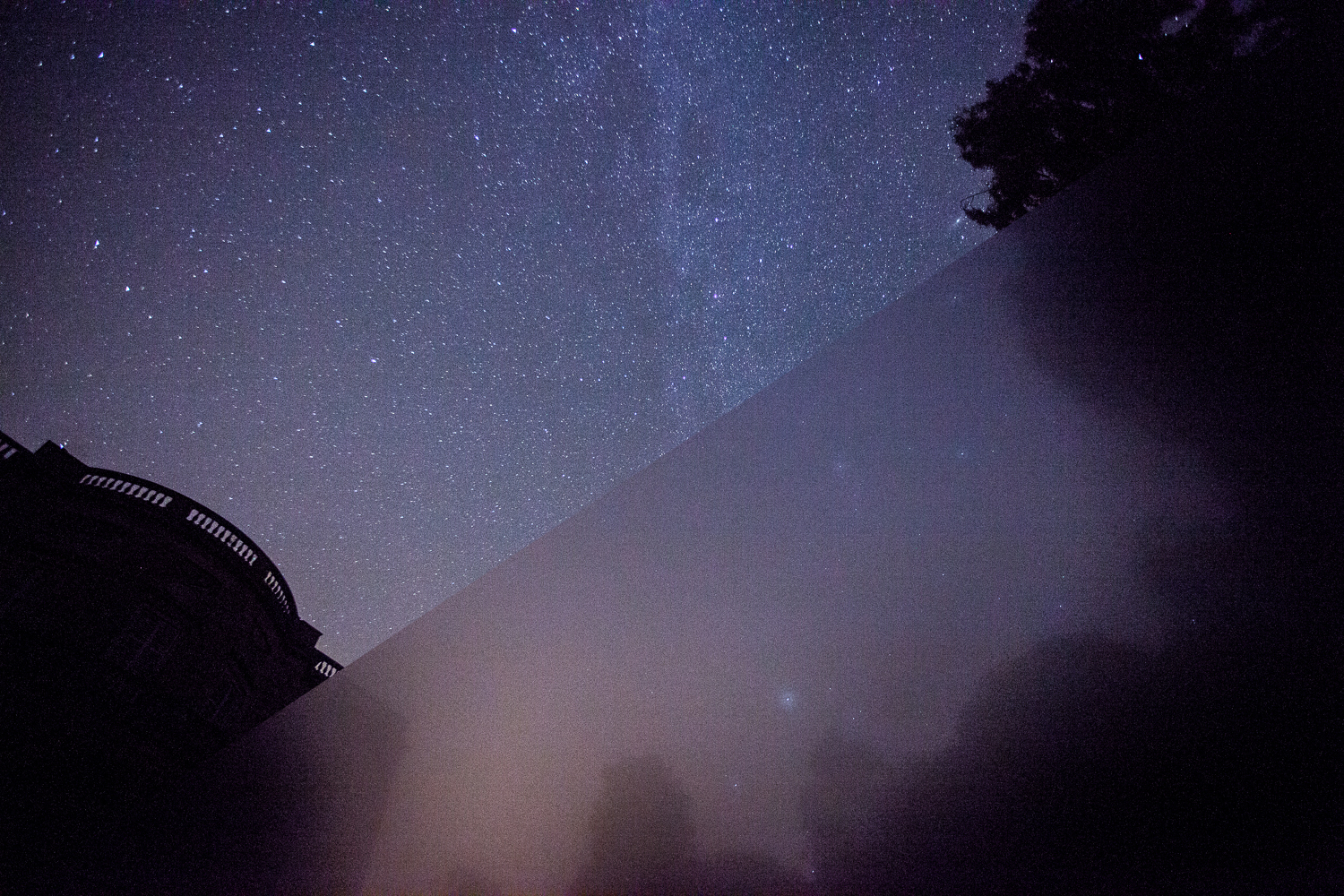
I decided to chance it and took a drive out to St Mary’s Loch about an hour North of me. The water had been like a mirror earlier in the day and the skies were clear in Hawick. The first spot I tried was perfect. Stones had fallen in place for me, the sky had just a light smattering of mist which produce a 22 degree halo around the Moon. Everything was right, I had stars in my eyes. This was gonna be a goddamn award winner. I just wanted that white glow to turn red and illuminate the scene like a hell. What happened was worse. A deep fog rolled in and eventually extinguished all I could see of the Devil’s lightbulb. I left with nothing. I’ll have to remember this photo as the one that got away.
Italy’s first female astronaut is a moniker that Samantha Cristoforetti can wear with pride for all eternity but if it’s proof pics you need, we’ve got you covered. While Samantha was onboard the Space station during her 200 day stint, incidentally the longest ever flight for a female astronaut, her camera was a constant companion.
Samantha was selected to be an astronaut for the European Space Agency in 2009, a childhood dream, and over the past six years, she has posted thousands of images to her Flickr page much like one of her Continue reading →
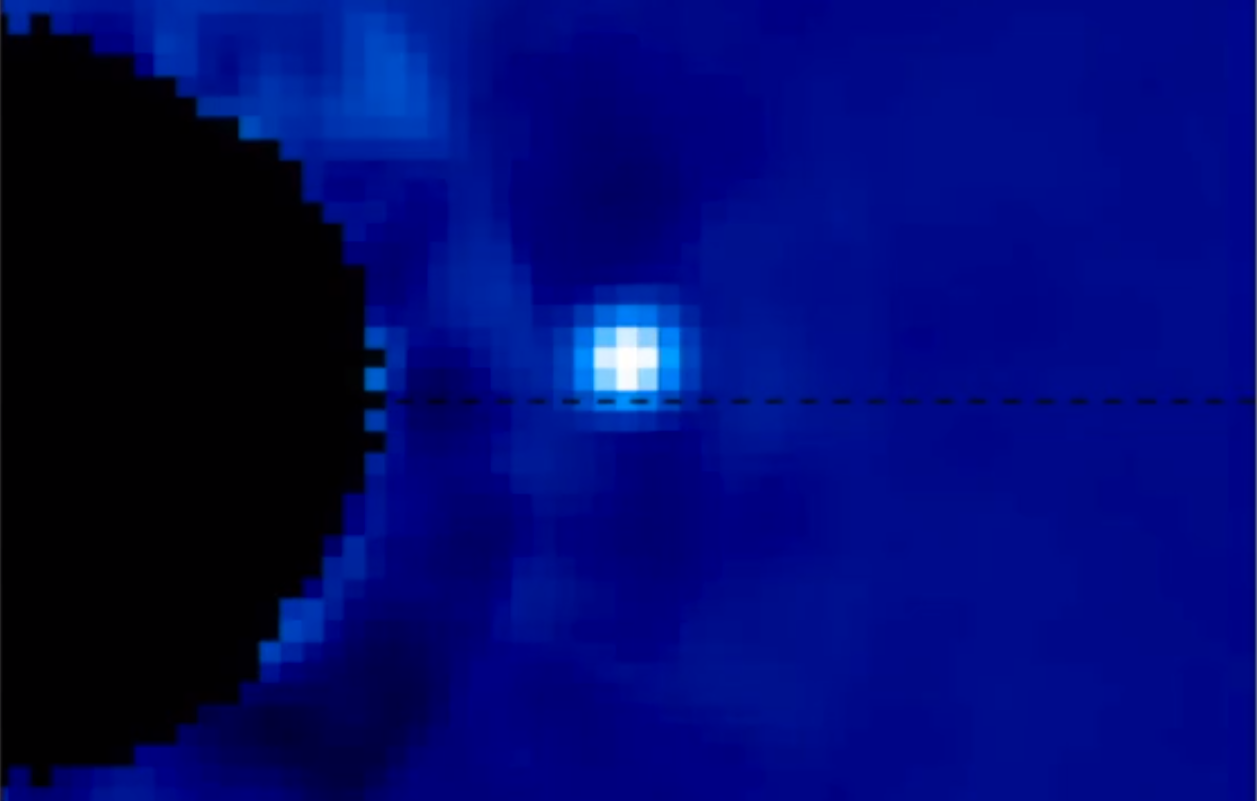
Brace yourselves for a nerd boner of epic proportions. Scientists have managed to resolve enough pixels to directly image an exoplanet orbiting a star 60 light years away. It’s a six second video (shorter than a Vine even) but its contents give rise to a promise of what is in store for the future.
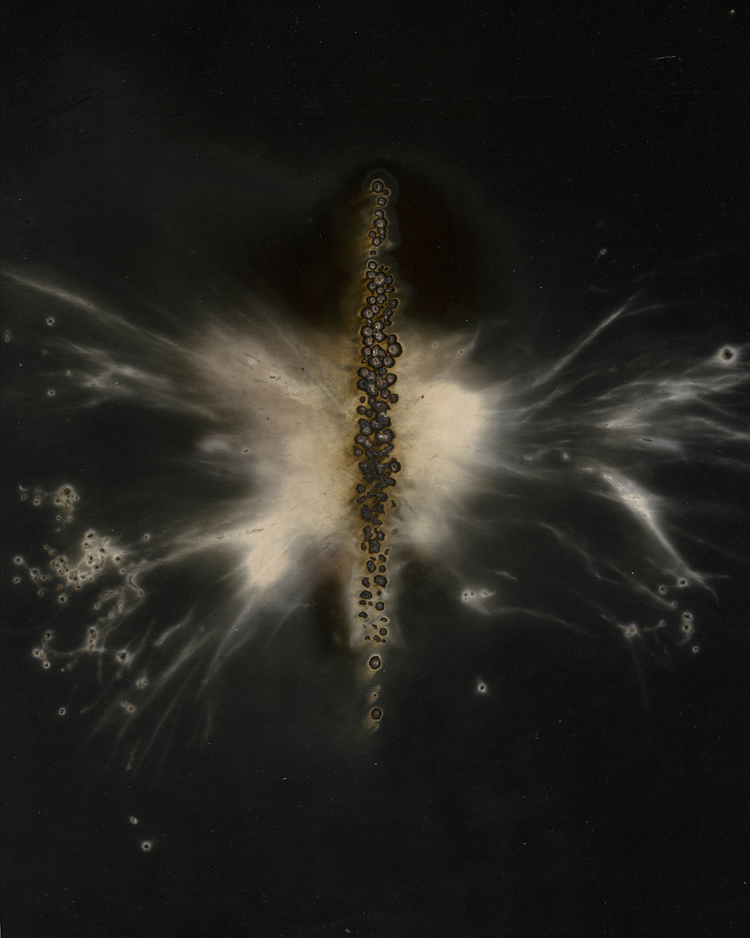
Every once in a while you come across a series of images that explode off the page with a beautiful simplicity and Christopher Colville’s photographs have quite literally done just that – because they’re created using gunpowder!
At one point or another, every astrophotographer will experience the dreaded lens dew while taking photographs of the night sky. They’ll be minding their own business trying to capture meteors, beautiful Aurora Borealis displays or just a simple time lapse when a layer of moisture appears on the lens glass and turns every captured image into a blobby mess.
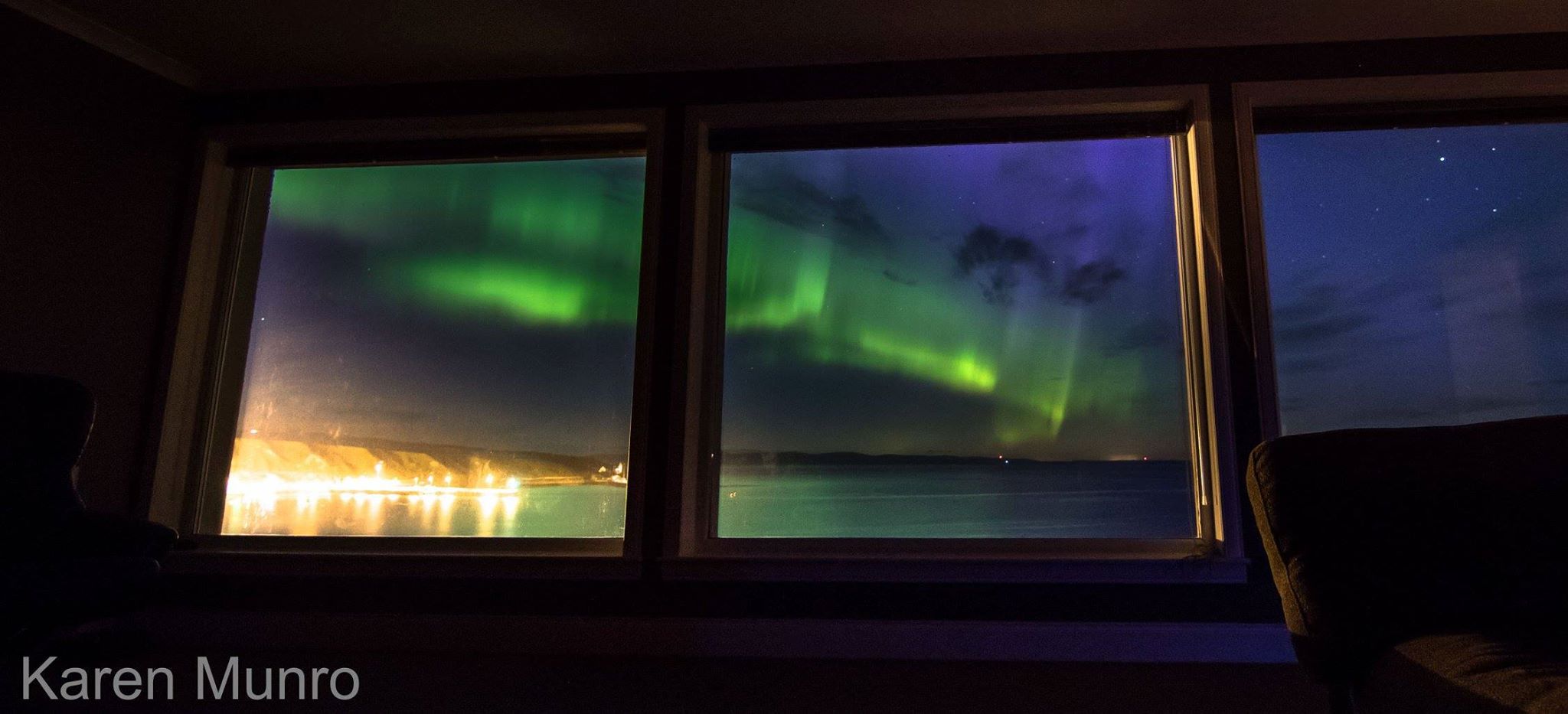
Have you ever decided to stay up all night to see the aurora borealis and then fallen asleep, only to kick yourself the next morning because you missed it? Just imagine setting all your camera gear up and then dozing off before you’ve even seen the results.
Karen Munro’s amazing aurora captured from her living room while she slept!Well, that’s what happened to amateur photographer Karen Munro but she didn’t just take one photo, luckily she started a time-lapse going Continue reading →
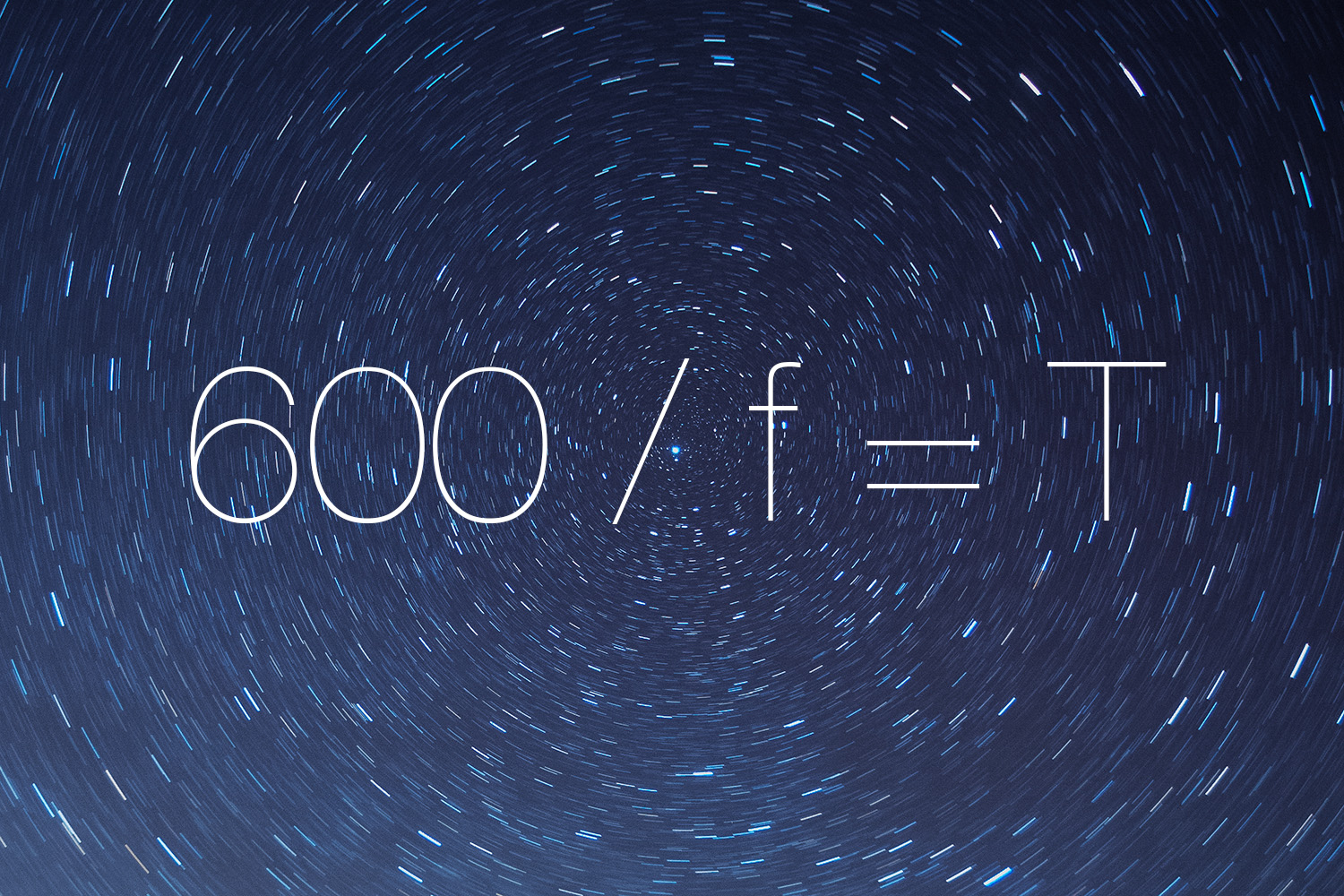
Getting to grips with astrophotography seems like an incredibly daunting task. Not only are you faced with the challenges of finding the right location, right time in the Lunar cycle and difficult weather conditions there’s also the added pressure of how to use the camera equipment you own. Thankfully there a few useful tips available that teach us some simple tricks for catching the perfect star shot. This equation below is known as the ‘600 Rule‘. So what’s it all about?
If math wasn’t your strong point at school, the mix of numbers and letters can seem quite daunting. It’s actually a very simple equation that can be explained quickly.
600 ÷ focal length of lens = exposure time
600 divide the focal length of your lens gives you the maximum exposure time time before stars start to appear as trails. For example, if you’re using an 18mm lens, you can apply the rule to learn that any exposure time over half a minute will most likely result in star trails.
600 ÷ 18 = 33 seconds
The primary function of this equation is to prevent those pesky star trails from appearing on your photographs. If you stick to the rule you can be pretty sure that you’re safe from any movement in your image. However if that’s what you’re after then you’ll know how long to wait until trails begin to appear – Rules are made to be broken, right?
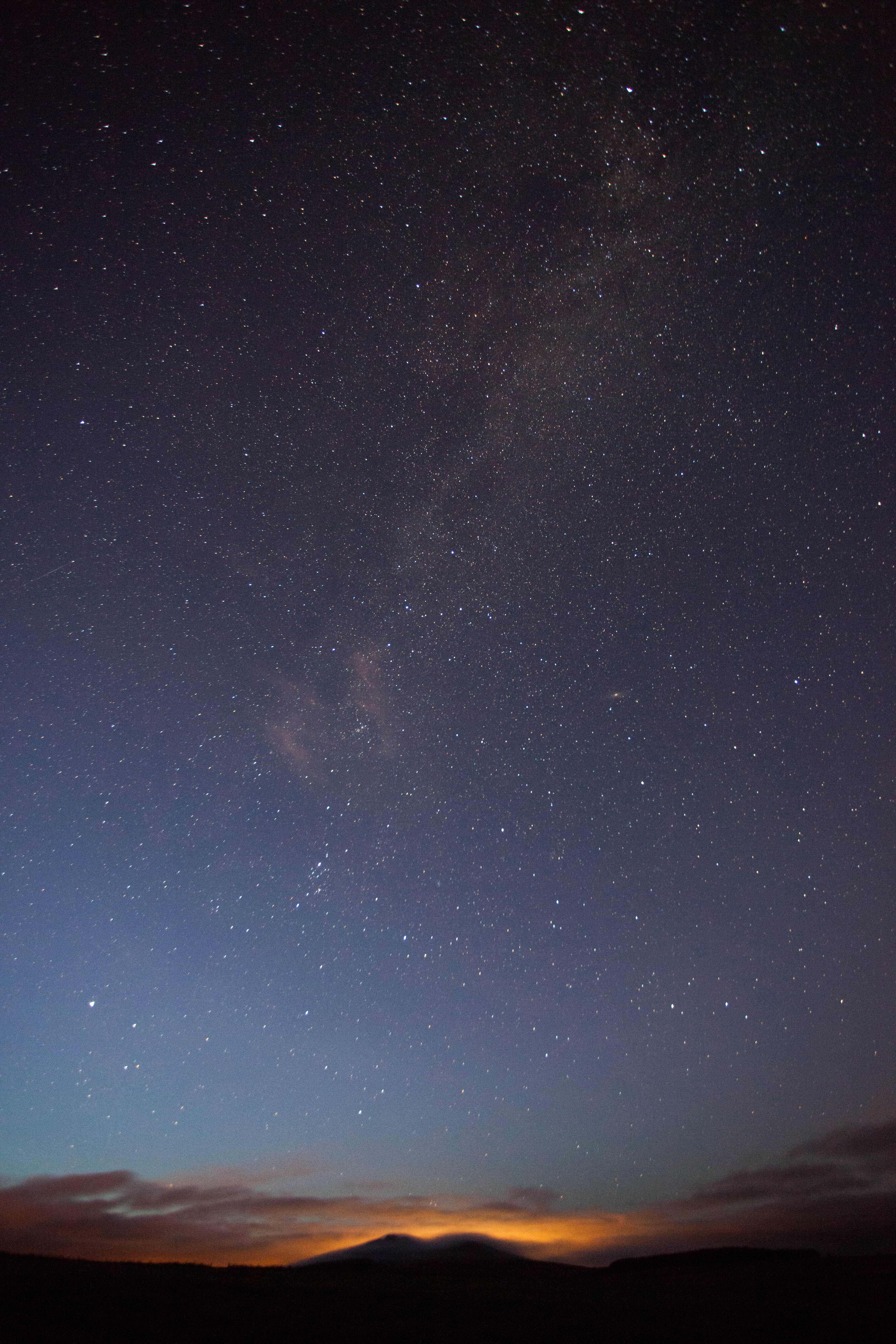
5Dm2, f/4, 17mm, 30 second exposure: No Star Trails.
The more seasoned photographers will spot a flaw in the rule when it comes to determining your optimum time. Different camera bodies introduce a couple more sets of variables to the equation; the sensor size & the image size. Furthermore, stars that appear further from the the North or South poles move quicker. The ‘600 Rule’ is specifically aimed at full frame cameras with image size of around 21Mp, ie the Canon 5Dm2 shooting 30 degrees above the horizon.
The alternative rule some people use for a 2/3rds size sensor or APS-C which would apply to budget Canon and Nikon models would be the ‘400 Rule’, however for the point of simplicity your exposure time will still be roughly correct.
We hope that has made a bit more sense to you and given a renewed sense of urgency to get out there and shoot the night sky. If not, you could always try to take photographs of Space from your kitchen table…




 Phogotraphy