Before it goes viral we’ll catch it early for you. That video of a spider creepily crawling out from inside the skin of a banana was created by Kaleb Lechowski, a 22 year old animations expert.
Kaleb has achieved some notable acclaim before with this sci-fi digital short that garnered some well deserved Hollywood attention. We doubt it’ll be long before his next viral animation.
It’s pretty good, although you don’t need to be an expert in this things to ask the question why would he be filming a banana anyway. Apart from that the way the arachnid falls out of the skin and flips on to its body is pretty reminiscent of World War Z fast zombies. Digital CGI is getting incredibly good these days with more and more examples of imagery that blurs the line between reality and pixels.
So there you go, it’s a snooty ‘fake’ from us, but nice try Kaleb. But as some commentators are saying “I don’t care if it’s fake, I’m still eating an apple.”
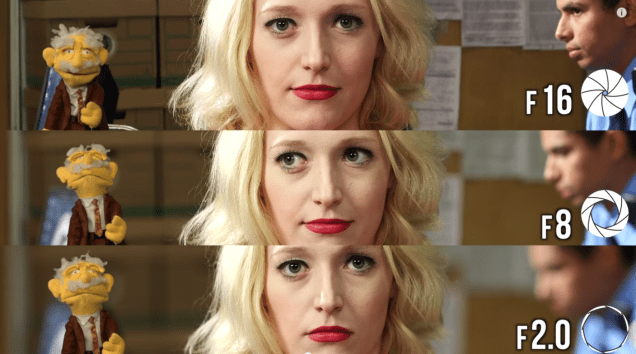
The scene is set, the voluptuous female lead makes her entrance and all but confesses her husband’s murder. Then out of absolutely nowhere Professor Hans Von Puppet interrupts the femme fatale scene to explain depth of field.
In this wonderfully put together ‘Pocket Film School’ web series by Mark W. Gray’s alter ego Professor Puppet goes to great lengths in explaining different techniques and cinematic phrases that we’d otherwise be clueless about. In the short film below we’re treated to an array of samples and how to make the most of our cameras using different aperture settings. That and the Professor’s trademark humour.
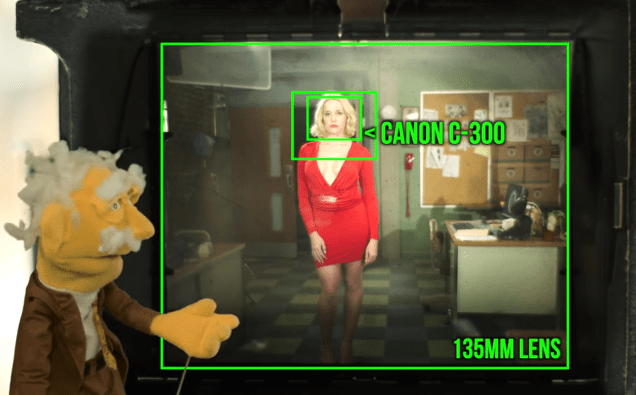
It even touches on how focal length is affected by sensor and film sizes as an added bonus, which even some of the more seasoned photographers have troubles realising (though they’d never admit it.)
If you enjoyed that video we urge you to sign up to Professor Puppet’s Youtube channel and look out for more of his Pocket Film School.
Incidentally if you want to commission Professor Puppet for one of your own videos, you can do so here on Fiverr.
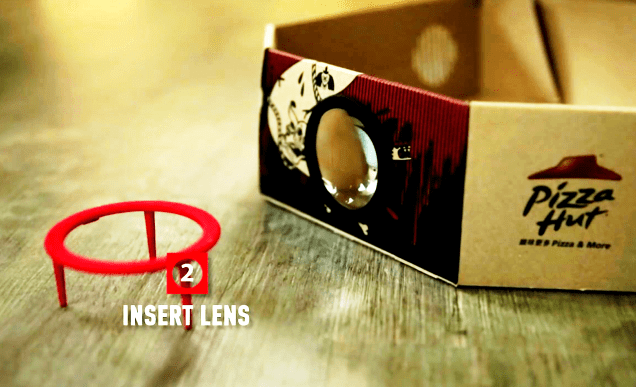
In what may be heralded as one of the most important photographic breakthroughs in recent memory, Pizza Hut has unveiled a pizza box that comes with a lens, thus turning it into a projector. Revolutionary!
The instructions say that you’ll require a smartphone and a darkened room. Then as with any cardboard projector the luminescent image of the screen will be projected and focussed through the lens that comes with the pizza. Ingenious. Perhaps they were inspired by Google’s cardboard Virtual reality system. Continue reading →
To coincide with the launch of their new photography prize, Source, the Ireland based contemporary photography magazine have commissioned a short film called ‘How do you Make a Prize Winning Photograph?’ A question most of us have probably asked themselves at one point or another.
The short generally makes little to no sense at all, like a lot of contemporary photography without context, however filmmaker Richard West has done a great job of at least sprinkling a hint of inspiration into two minutes.
Entry into Solas Prize costs $30 and there is $11,500 prize money available with the prospect of two exhibitions.
Did you know that adding filters to your photos can result in more views and comments? Well the clever bods at Yahoo Labs have just released a very interesting study on ‘Why We Filter Our Photos and How It Impacts Engagement’ and having crunched a whole lot of numbers they found that “filtered photos are 21% more likely to be viewed and 45% more likely to be commented on by consumers of photographs.”
“We analyzed how filters affect a photo’s engagement (consumers’ perspective) using a corpus of 7.6 million Flickr photos. We find two groups of serious and casual photographers among filter users. The serious see filters as correction tools and prefer milder effects. Casual photographers, by contrast, use filters to significantly transform their photos with bolder effects. We also find that filtered photos are 21% more likely to be viewed and 45% more likely to be commented on by consumers of photographs.”
Wow! When the sheer volume of smartphone images shared online is so massive (apparently Instagram averages 60 million images uploaded a day, and the iPhone is Flickr‘s most popular camera), will a little filtering really help you get noticed amongst all those pictures?
A lack of views can leave you feeling deflated.
There are other elements to take into account of course. The number of followers you have and having an image with a lot of views already automatically puts you high up in the social networking charts and makes sure even more people see your images. Plus, a high level of social interactivity online will also result in more views and more comments on your own work but still, that’s quite some quantitative analysis they’ve done there!
The study found two distinct groups amongst the filter-using photographers on Flickr – the serious hobbyist and the casual photographer – and according to their study the serious photographer uses a more delicate touch, preferring to use correction tools and less obvious filters while the casual photographers like a big, bold, image changing effect on their pictures. Continue reading →
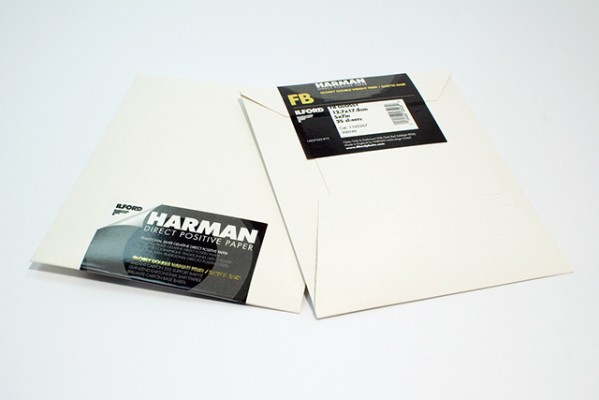
Oh it’s a very, very good day. After over a year of it being out of production for various reasons, Ilford’s Harman Direct Positive fibre based paper is to make a return. Pinhole photographers the world over will be punching the air in delight.
As described, direct positive paper has been popular among many analogue photographers because of the way it produces a positive image using normal black & white developing procedure. This makes it perfect for people experimenting with large format and of course the ever popular pinhole photography craze. Continue reading →
To celebrate Marilyn Monroe’s 89th birthday, Artnet have revealed a fascinating set of photographs of the cinema goddess herself. Taking a look at the cultural icon from her early days, right up until her last photo shoot, they play well to the standard we’ve come to expect.
Marilyn Monroe, Flirtatious by Bert Stein 1962.
Some of the very intimate photographs might not be safe for work, so be careful when scrolling down however don’t let that put you off the stunning pieces by photographic artists such as Stern & Schiller. Continue reading →
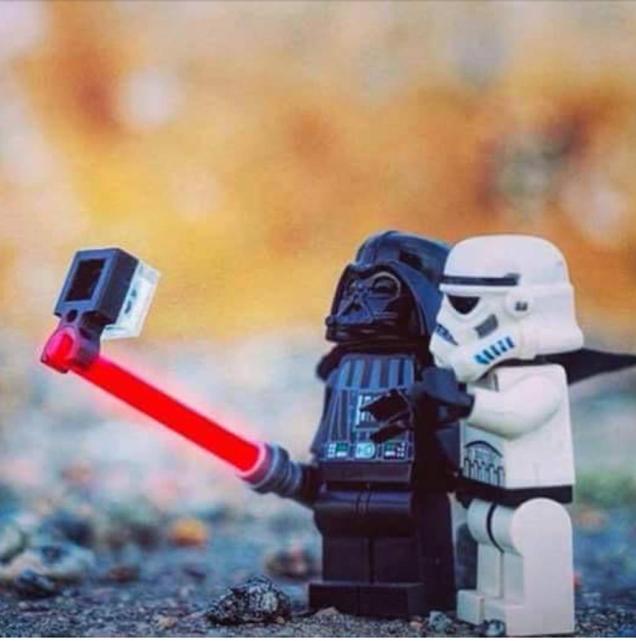
Here’s a cute picture of Darth Vader and one of his minion Storm Troopers taking a selfie using a selfie stick made out of a light sabre.
This picture has been making the rounds on Twitter and Reddit today and looks set to carry on going viral over the next couple of days. Great news for the original photographer, right?
Wrong! Not a single retweet, share or blog I’ve found has cited the original artist, and that’s the point we want to make. Even after conducting a backwards image search on Google which usually does the trick, we turned up hands empty, again with countless links to sharing the photo uncredited. Continue reading →
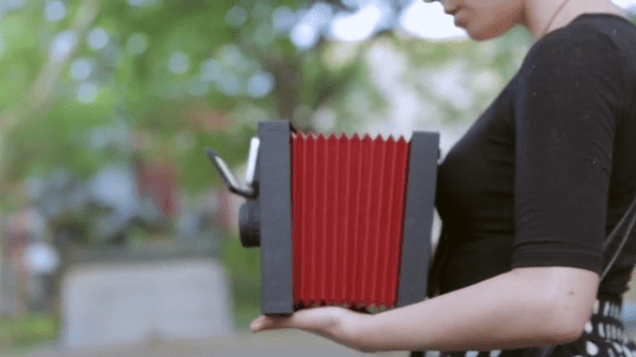
If you’re passionate about losing all self-respect as a photographer, look no further than the latest pretentiously sounding photographic KickStarter, Lumigraphe. It not only promises to extinguish any magic left in the exploration of photography’s early years but will also help remove any burden of disposable income from your wallet.
Can be found under the joke section on Kickstarter.
The video is deceptive enough to fool any unwitting photographer with more cash than braincells into thinking the product is actually a cool, unique and innovative idea. Presumably that is why 30 people have already spent a total of €4000 backing the toy company so far.
Here’s the promo video:
“Perhaps the most impressive thing about Lumigraphe is its simplicity”
Don’t let the sexy Thierry Henry accent fool you. Unless I’ve mistaken the whole thing for an ironic joke or study in social stupidity on the Internet I can tell you this statement is absurd. If you’re not laughing cringing already at the word simplicity, let me break it down for you. Continue reading →





 Phogotraphy